
Held and Heard: A Therapeutic Group for Parents in Neurodiverse Families
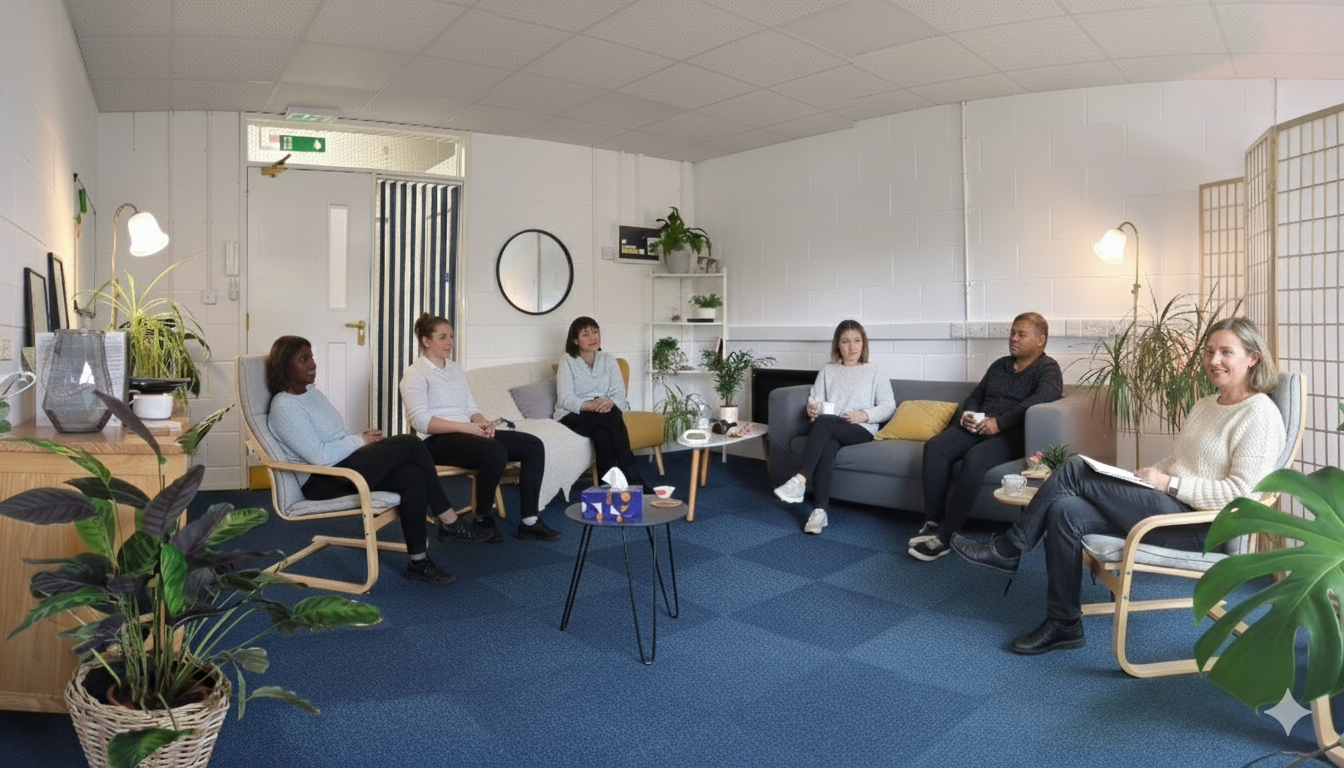
Image created using AI
Held and Heard:
A Therapeutic Group for Parents in Neurodiverse Families
Creating Strength in Connection
Being a parent in a neurodiverse family is a journey that can feel deeply personal and, at times, isolating. You carry so much—the love, the challenges, the advocacy, the big feelings and so many things unspoken. This group is a safe harbour, a place where you can finally be held and heard. It's for parents who are ready to share the weight they've been carrying and connect with others who truly understand.
“It can feel like you’re the only one finding parenting tough and having someone kind who understands how difficult it can be really really helps.”
Why this Group is Important
Being a parent to a neurodivergent child is a unique journey. It’s a path filled with immense love and joy, but it can also bring feelings of isolation, overwhelm, and uncertainty. You may find yourself navigating a world that doesn't always understand your child, or your experience as a parent. This can lead to exhaustion, burnout, and a deep-seated feeling that you’re alone in your struggles.
This is a group for parents who want to move beyond simply sharing stories. It's a space to explore the complex emotional landscape of parenting in a neurodiverse family, to find a sense of self beyond your role as a caregiver, and to build a community that truly understands.
Why a Therapeutic Group?
Unlike a traditional support group that focuses on advice or information, this is a process group—a form of deep, relational therapy. The group itself becomes a safe space to explore the 'here and now' of your thoughts and feelings as they arise. This approach helps you to:
Gain new insight into your own emotional patterns.
Understand how you relate to others, and how those patterns affect your family life.
Learn to trust your own instincts and find your voice.
Feel seen and understood, creating a counterbalance to feeling dismissed or invalidated by others or even by yourself..
In this Group, we can Explore:
The Diagnosis: Whether you or your child have a formal diagnosis—or are still in the process of seeking one—your journey, your battles, and your emotions are all valid and welcome here.
The Weight of Advocacy: The mental and emotional toll of endlessly advocating for your child is a familiar burden. We'll explore how this impacts your mind and body, and how it influences your relationships. Here, you'll be supported in finding new ways to cope with this exhaustion.
Finding Your Identity: This is a space to explore who you are beyond your role as a parent and to rediscover your own needs and passions.
Parental Burnout: We will work to develop tools and insights to manage the constant stress and overwhelm, helping you to re-centre yourself.
Your Family System: You'll gain a deeper understanding of the dynamics within your own family and learn how to foster more secure and trusting relationships.
Building Community: Connecting with other parents on a profound level helps to break through the isolation and find strength in shared experiences.
Resources: ‘Resources’ are the things that are helpful to us, in general day-to-day and also in times of crisis. We can explore and develop tools to meet the needs of your kids, whether that’s regulation strategies or structuring your morning to offer the scaffolding needed for you and your kids to feel supported in daily tasks.
“Alex really listened to me and understood the difficulties we’re experiencing as a family. She is very knowledgeable and gave me some good ideas to move forward with.”
Group Details and How to Join
A new group will be starting in January 2026
This group is a closed group, meaning the same members will meet together for the entire duration to foster safety and trust. It’s run as a ‘membership group’ where each member commits to the term and payment is made each month the group runs.
Format & Duration
Our group runs on one Friday of every month (see below for exact dates) at my office on Zeal’s Garth, and there will be no groups in August.
Depending on the number of members, the session length will vary:
For 4 members: Sessions will be 2 hours long, from 10:00 to 12:00.
For 5-6 members: Sessions will be 3 hours long, from 10:00 to 13:00.
Cost
The monthly fee for the group is £55 per person, per group/month.
This is less than the cost of a daily take-away coffee, and it’s a small, manageable investment in your mental health and well-being.
The first step is to schedule a free 15-minute consultation call. This call is an opportunity for us to connect, discuss your needs, and ensure that this group is the right fit for you.
2026 Dates:
30th January 2026
27th February 2026
27th March 2026
24th April 2026
22nd May 2026
June 26th 2026
17th July 2026
25th September 2026
30th October 2026
27th November 2026
18th December 2026
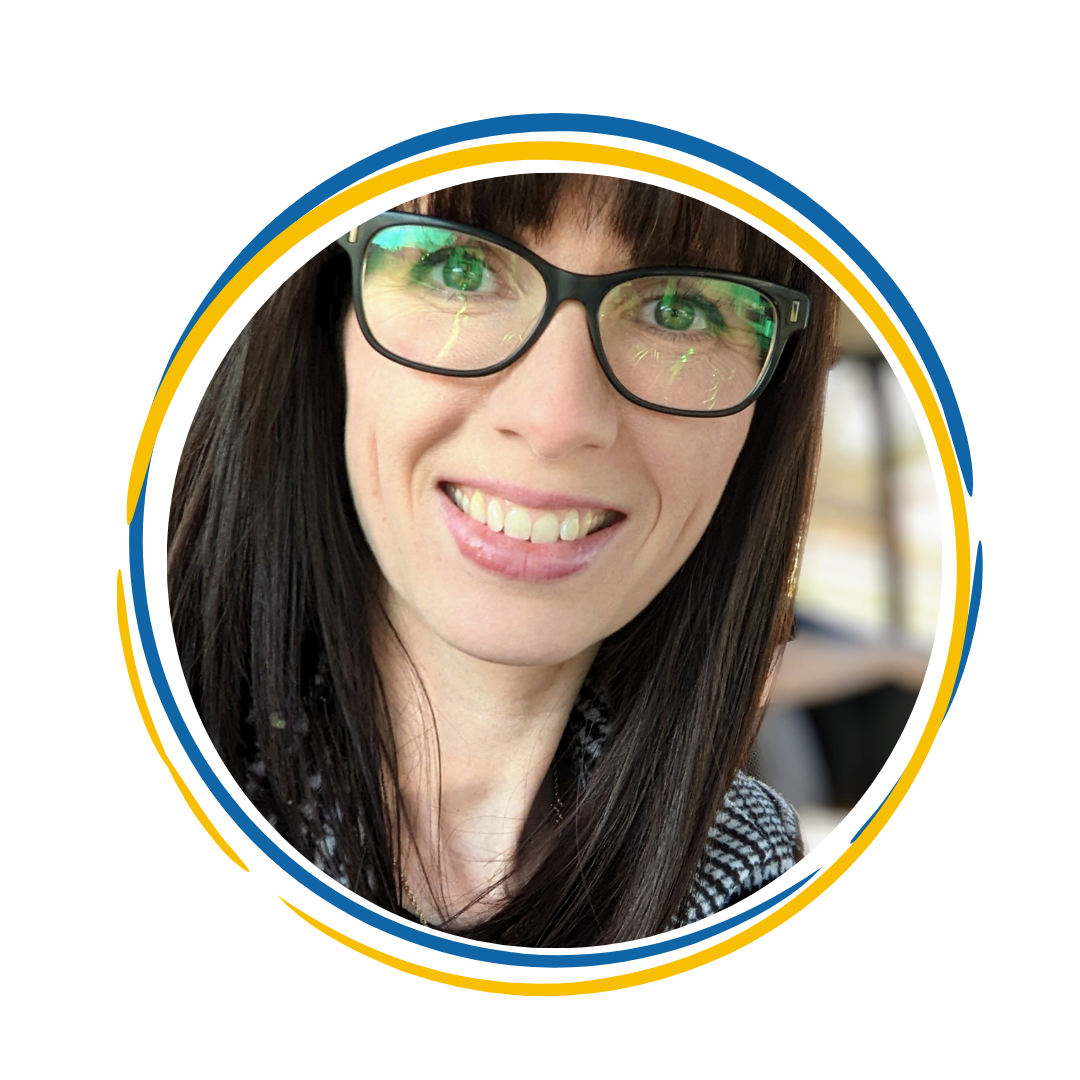
About Alex Carling.
Professionally, Alex is a psychotherapist in private practice, working predominantly with neurodivergent clients. She holds a BSc. (Hons.) in Psychology, a Post-Graduate Diploma in Transactional Analysis Psychotherapy, a Post-Graduate Diploma in Clinical Supervision, and is a Certified Brainspotting Clinician. Alex works closely with her neurodivergent clinical supervisor and has a Specialist Diploma in Neurodiversity-Informed Practice.
Alex has been in practice since 2012, specialising in the areas of trauma, attachment, and neurodiversity. Her approach is rooted in the power of connection, with a deep understanding of the nervous system and what's needed to feel safe. In her groups, she fosters an environment where members can be vulnerable and learn from each other with curiosity and creativity. There is never an expectation to participate, only an invitation. Sometimes, simply sitting comfortably on the edge is the first time in a long time that safety can be felt.
Alex's passion for working with neurodivergent people began in her teenage years, at university she aimed to specialise in Autism as a clinical psychologist but her career journey took a turn into domestic abuse and trauma. In her subsequent years as a psychotherapist, her work with neurodiversity was client-led and reignited her earlier interest in a way she couldn't have predicted.
Personally, Alex self-identifies as neurodivergent and is a parent to two neurodivergent children. Her passion for ensuring parents have the right support is born from both her professional and personal experiences. She warmly invites you to take your space in the group.
Frequently Asked Questions:
What is the cost of the group?
The individual fee is £55 for each month that the group runs (no group in August), regardless of how many members there are.What is the commitment for the group?
The group runs for 11 months of the year (with no group in August). It is a closed, membership-style group, meaning you commit to the full duration once you join. This commitment ensures safety and stability for all members, allowing for deeper therapeutic work to take place over time.
Is this an online or in-person group?
The group is in-person at Alex’s office on Zeal's Garth.What is the group size?
The group is open to a minimum of 4 members and a maximum of 6How is this different from a regular support group?
There are similarities to a regular support group as we will explore resources and the group may offer their experiences to support the navigation of your own, however, there are also differences. A process group allows it’s members to explore thoughts, feelings, and how they relate to others in a safe, real-time setting. This helps them better understand themselves and find emotional healing through honest connection with the group.What if I don't feel comfortable sharing?
Participation is by invitation, not expectation. Sometimes just being present and listening can be a powerful experience - it’s important that members feel safe. Feeling safe in the group could be the therapeutic take-away; learning how it feels in your body to feel safe and what contributes to this.Do I have to have a formal diagnosis to join?
Neither you or your children need to have a formal diagnosis. Alex recognises the challenges to recieve an assessment and advocates for the self-determining stance.Is this group suitable for parents of children with specific diagnoses (e.g., ADHD, Autism)?
Yes, absolutely. Neurodiversity spans many diagnosis, including dyslexia, dyspraxia, sensory processing and acquired brain injury (this list is not exhaustive)Can both parents attend?
Due to relationship dynamics, it is recommended that one parents takes space in the group at a time. Please speak to Alex if you have any questions about this.What is the consultation call for?
The consultation call is an opportunity to connect with Alex, to ask your questions, and explore whether the group is a good fit for your needs.What if I'm on a waiting list?
A waiting list is held in case members need to drop out on the run up to the group starting. If a space becomes available, you will be contacted and offered a space which you can decide to take or pause for a later group.